Why Regular Electrical Maintenance Saves You Money?
February 10, 2026
Keeping a home or business running smoothly requires more than just paying the utility bills or scheduling occasional repairs. One of the most overlooked yet essential components of property upkeep is electrical maintenance. Modern electrical systems power virtually everything—from HVAC units and refrigeration to lighting, security systems, and personal electronics. With such a central role, even minor electrical issues can escalate quickly, leading to equipment breakdowns, inefficiencies, or unexpected hazards. As energy costs continue to rise and electrical demands increase, routine inspections and preventive care can have significant financial benefits. Choosing to invest in regular electrical maintenance is not only a matter of safety but also a strategic way to protect your property’s long-term value and functionality.
Electrical maintenance is often viewed as optional until a problem appears, but by then, the damage may already be expensive. Aging wiring, overloaded circuits, uncalibrated equipment, and worn-out components can quietly drain energy and put unnecessary strain on appliances. These hidden inefficiencies can accumulate into substantial costs over time. With consistent maintenance, however, home and business owners can identify small issues before they turn into major repairs, reduce operational expenses, and extend the lifespan of their electrical systems. Regular electrical maintenance is one of the most effective, proactive steps toward long-term financial savings and peace of mind.
The Financial Impact of Preventive Electrical Maintenance
Early Detection Minimizes Major Repair Costs
One of the most immediate ways routine electrical maintenance saves money is through early detection. Electrical problems rarely appear overnight; they gradually develop due to wear, corrosion, heat buildup, or improper load handling. Without inspections, these issues remain hidden until they cause large-scale failure. For example, a loose connection may cause intermittent power issues, but if left unaddressed, it can spark overheating, melt wires, or damage connected equipment. Repairing the resulting damage could cost significantly more than a standard maintenance check.
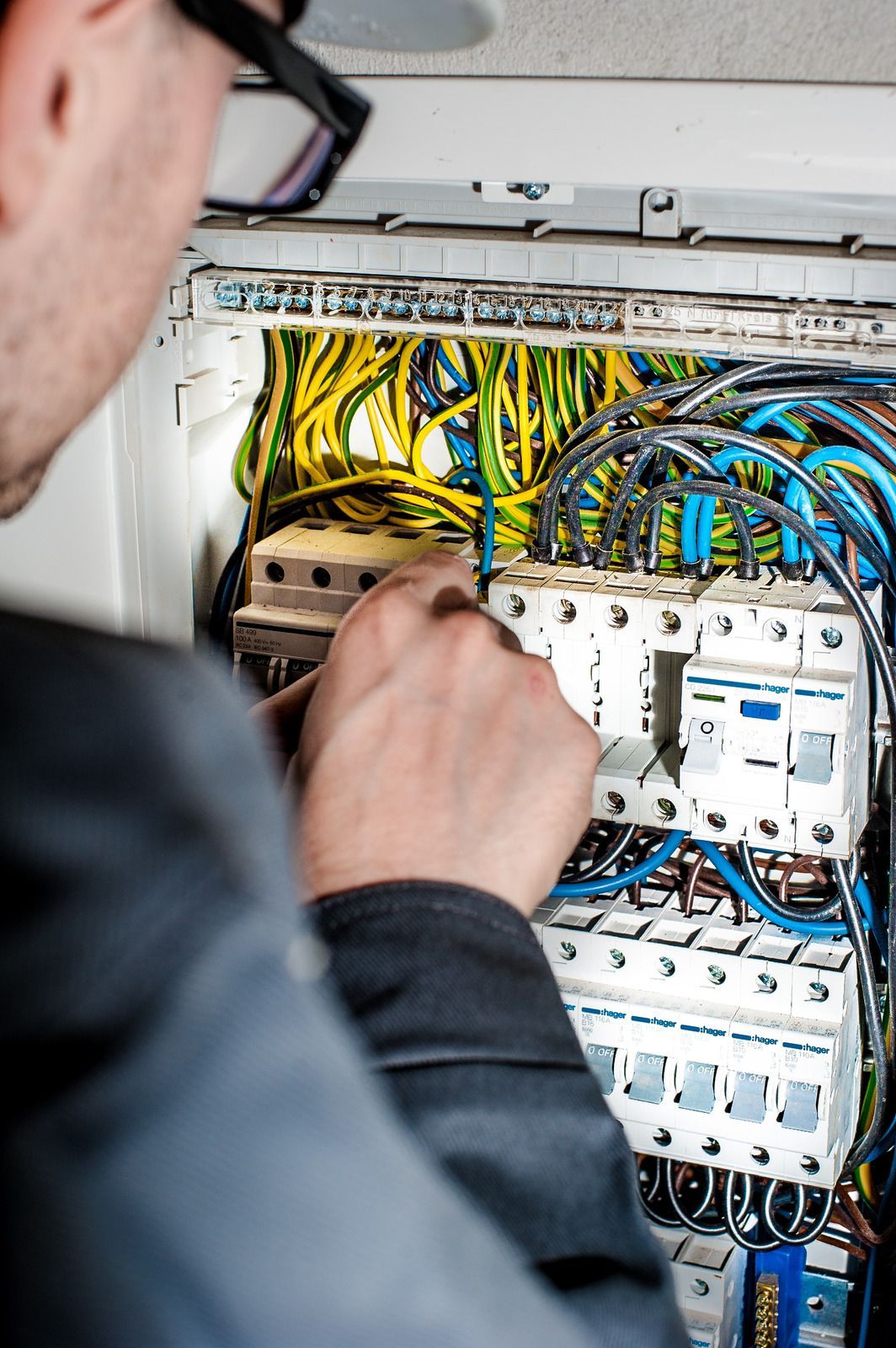
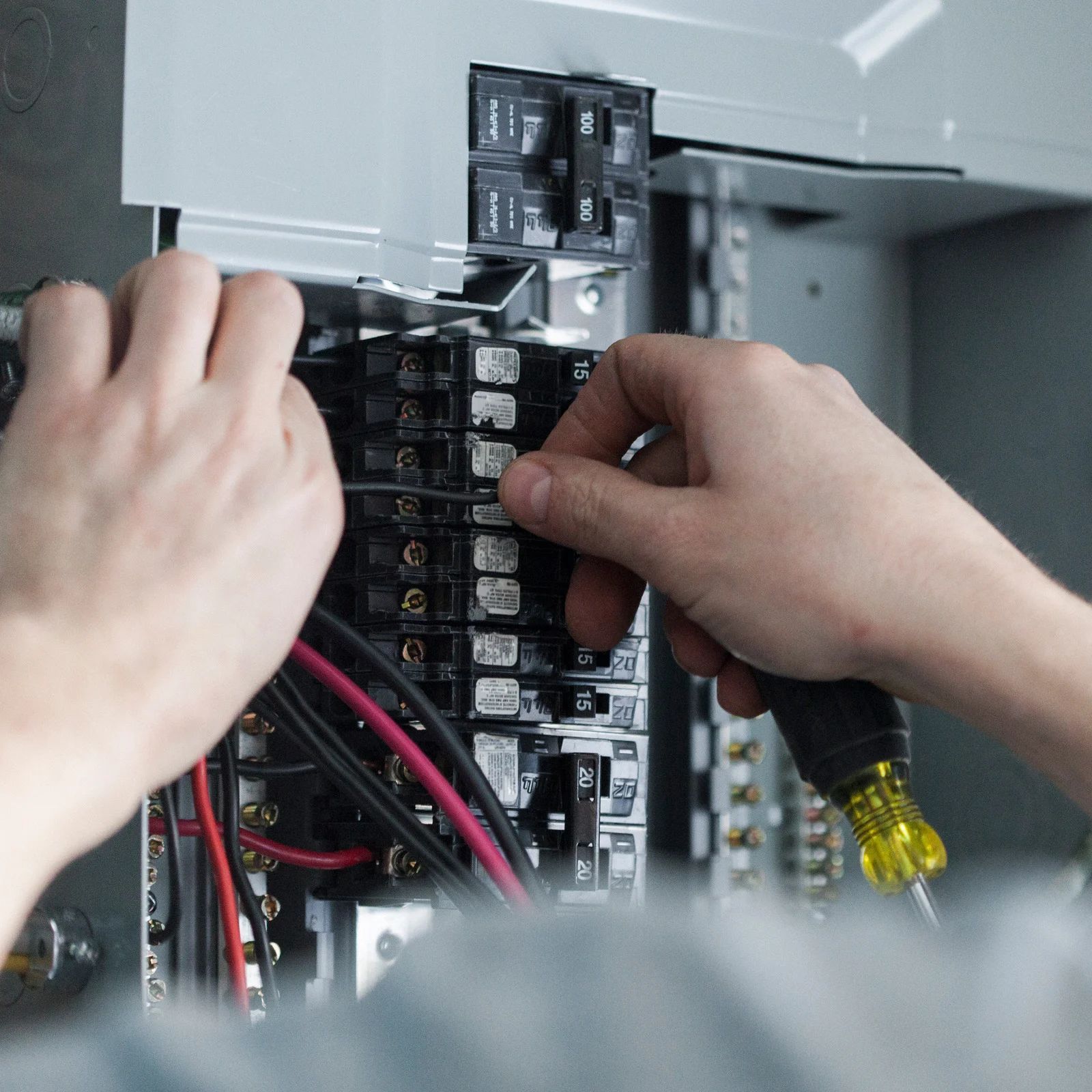
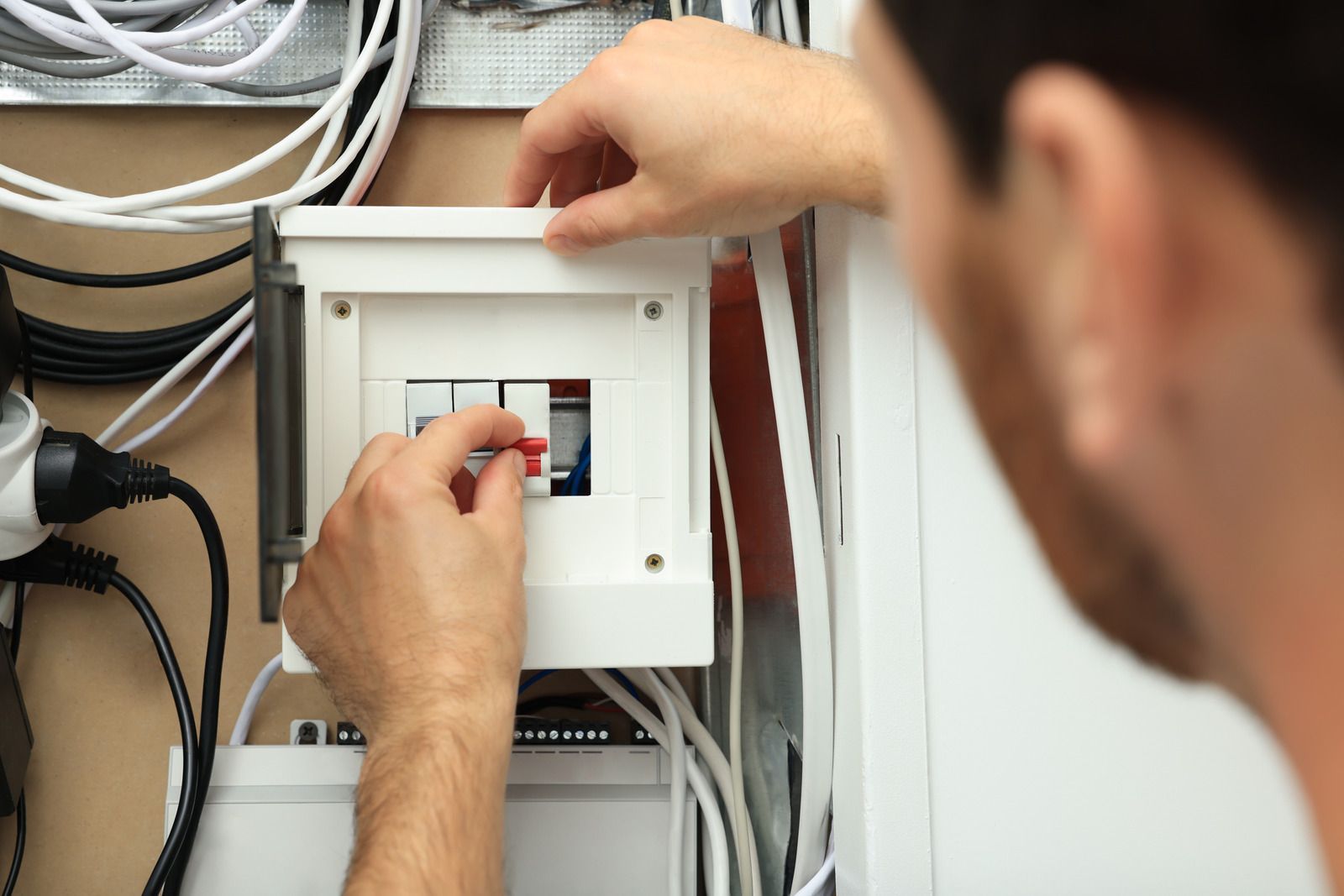
Professional maintenance includes thermal imaging, voltage testing, breaker inspection, and load assessments—all tools that help identify problems when they are still small. Addressing them early eliminates the need for emergency services, which typically cost more and require immediate intervention.
Avoiding Emergency Breakdowns
Emergency electrical failures disrupt households and businesses alike. For commercial properties, downtime can lead to lost productivity, equipment shutdown, or even temporary closure. Businesses relying heavily on electrical equipment—such as restaurants, manufacturing facilities, or retail stores—may face substantial revenue losses when power failures occur. Regular maintenance reduces these risks by keeping systems stable and reliable.
Protecting Expensive Equipment
High-value appliances and electronics rely on consistent electrical supply to function correctly. Voltage spikes, overloaded circuits, and faulty components can shorten equipment lifespan or cause total failure. Replacing HVAC units, freezers, compressors, or industrial machinery can cost thousands. Preventive maintenance helps ensure stable power delivery, protecting investments and maintaining efficiency.
Extending the Lifespan of Electrical Systems and Appliances
Reducing Wear and Tear on Components
Electrical components experience natural wear over time due to heat, vibration, and resistance. Breakers can weaken, wiring can degrade, and outlets can loosen. When these components do not function properly, they place additional strain on the system. Regular maintenance keeps everything calibrated and clean, reducing unnecessary stress on appliances and extending their service life.
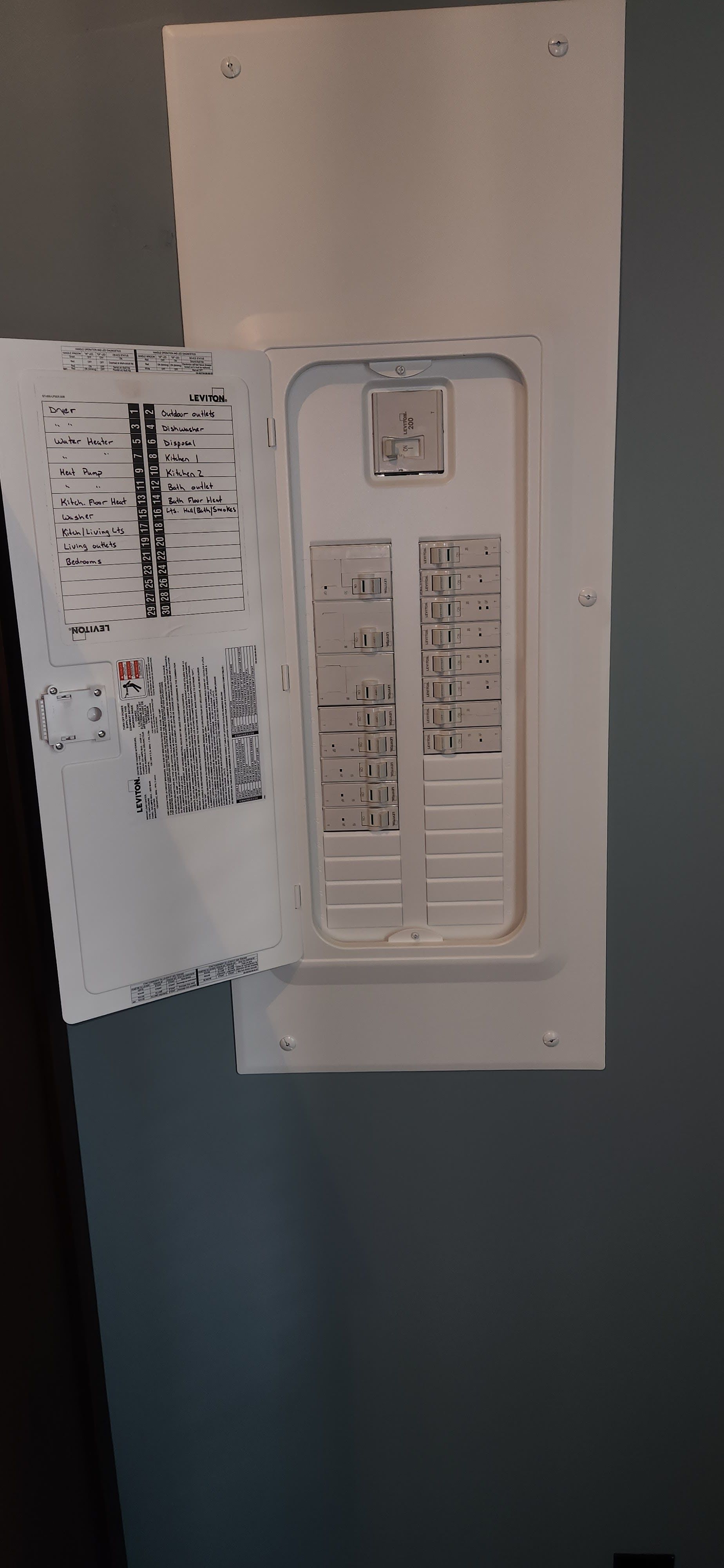
For instance, when a panel is overloaded or improperly balanced, certain circuits carry more voltage than intended. This imbalance not only increases energy usage but also accelerates the deterioration of connected devices. Through routine inspections, technicians can redistribute loads, tighten connections, and replace aging components before they fail.
Maintaining Peak Efficiency
Well-maintained electrical systems operate more efficiently, which directly influences utility bills. Dirty components, poor wiring connections, and outdated panels can cause increased resistance, requiring appliances to work harder to perform their tasks. This leads to higher energy consumption, overheating, and premature failure.
By ensuring that all wiring, circuits, and panels are optimized, homeowners can lower energy waste and reduce monthly power costs. This is especially important in regions experiencing rising energy rates, where even a small efficiency improvement can bring noticeable savings.
Extending Appliance Lifespan
Appliances like refrigerators, HVAC systems, water heaters, and high-performance electronics are built to last—but only under ideal electrical conditions. When electrical irregularities occur, these systems often compensate by drawing more current or running longer cycles. Preventive electrical maintenance ensures that voltage levels, grounding, and circuits remain balanced so appliances operate within safe parameters for years longer than unmaintained systems.
Improving Energy Efficiency and Lowering Monthly Utility Bills
Identifying Hidden Energy Drains
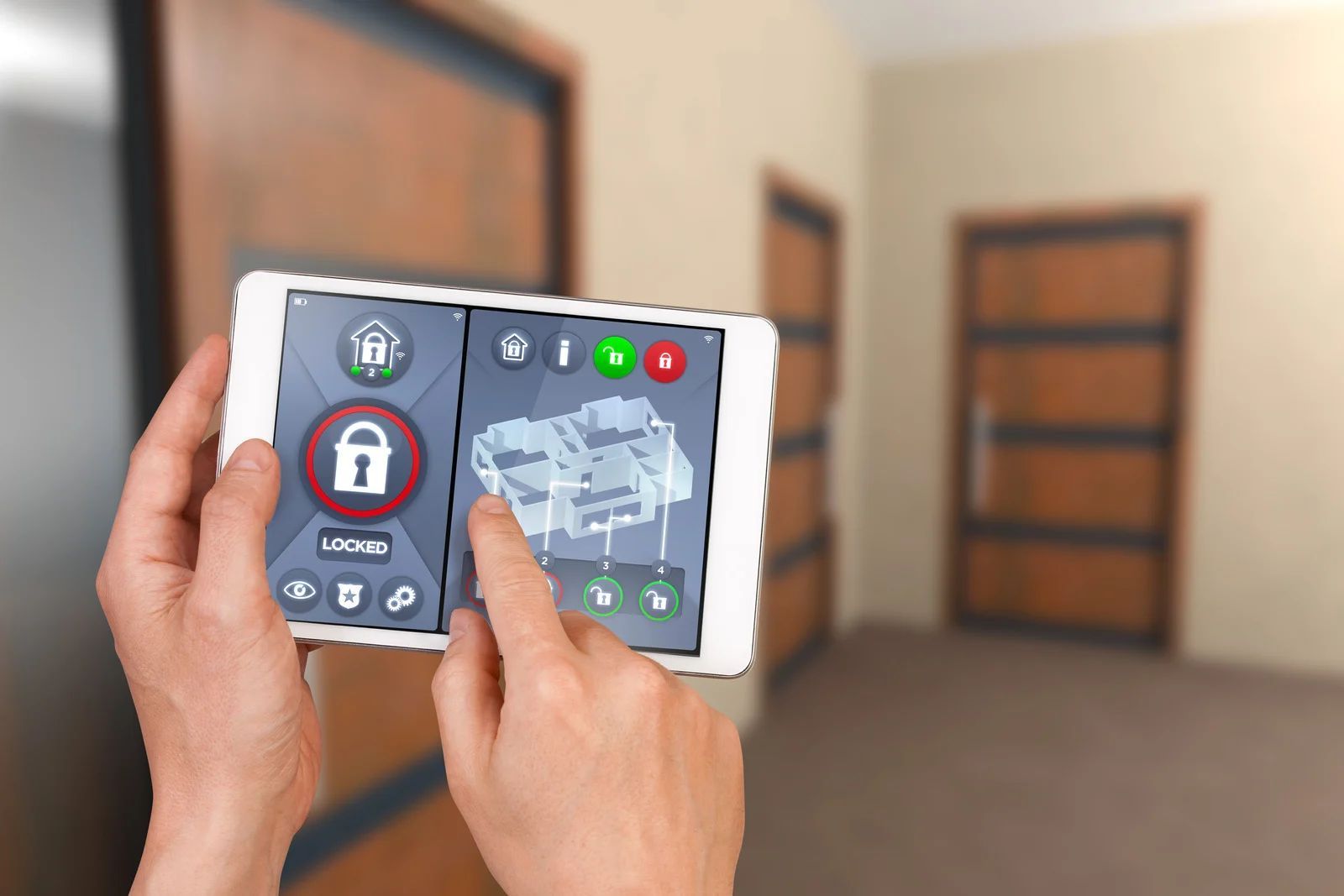
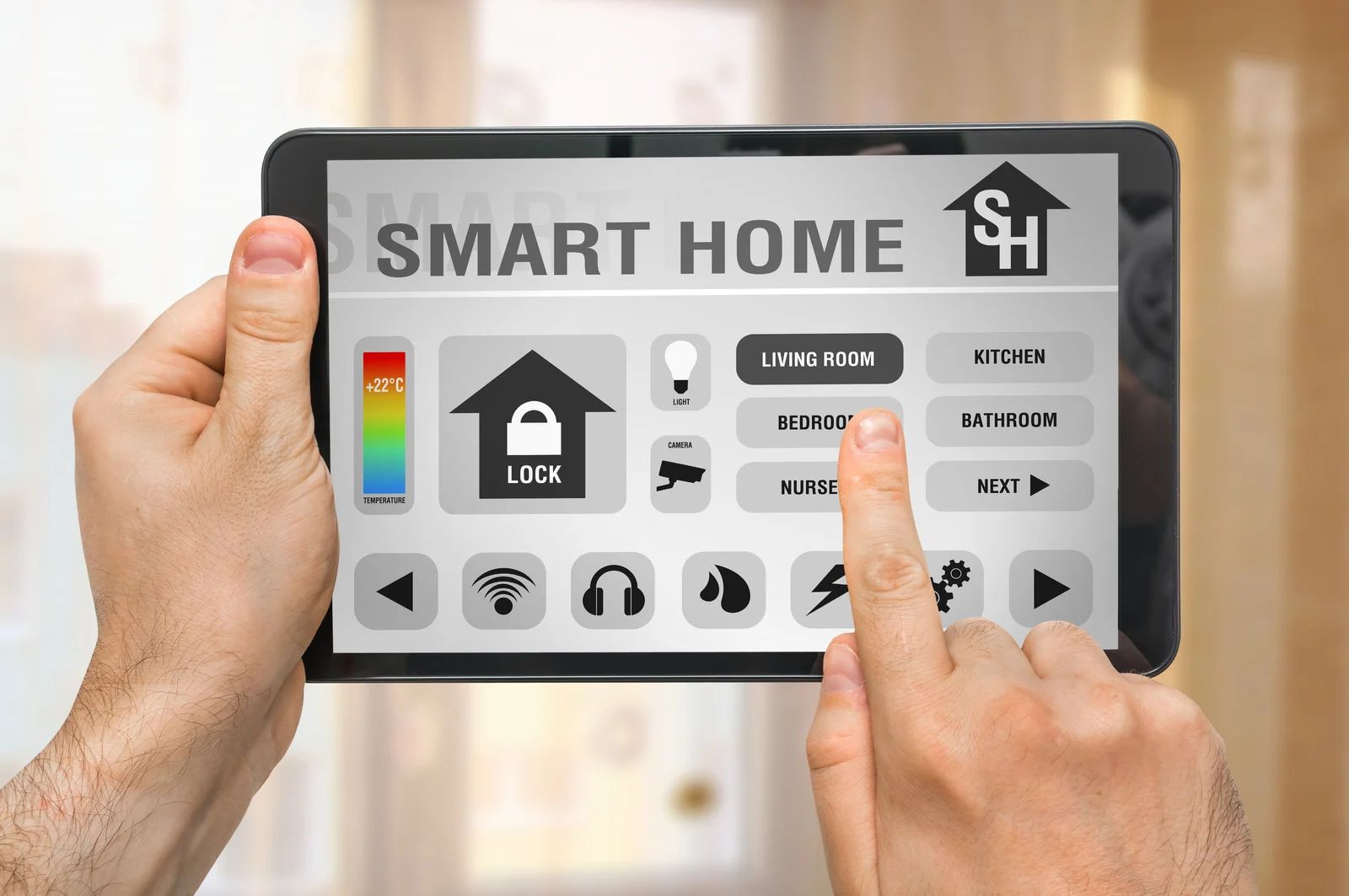
Many electrical inefficiencies are invisible without proper testing. Phantom loads, outdated lighting, inefficient wiring, and long-running equipment can significantly increase energy usage. During maintenance appointments, electricians identify these hidden drains and offer practical solutions, such as upgrading to LED lighting, installing smart panels, or correcting wiring issues that cause energy leakage.
A real-world example involves older homes with aluminum wiring or non-grounded outlets. These outdated systems can lose energy through resistance and heat. Replacing or updating these components improves efficiency and reduces long-term operational costs.
Optimizing Electrical Load Distribution
Improper load distribution is a common cause of higher energy costs. When too many devices draw power from a single circuit, the system becomes overworked. This leads to frequent breaker trips, heat buildup, and increased power usage. Maintenance helps identify overloaded circuits so electricians can rebalance loads, add additional circuits, or upgrade panels if necessary.
This optimization ensures that power flows evenly, reducing stress on the system and preventing energy waste.
Ensuring Safe and Efficient Panel Upgrades
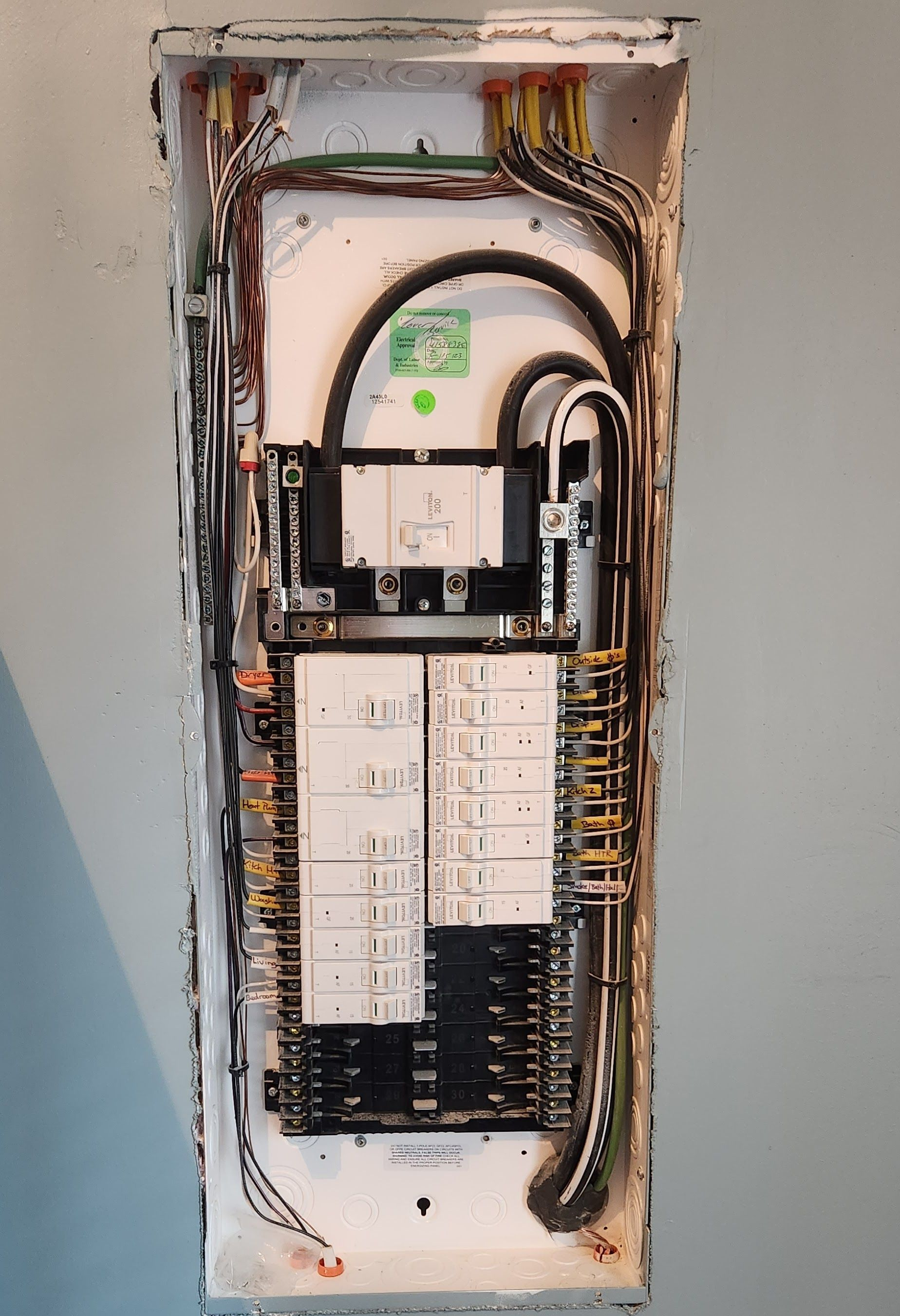
Old or undersized electrical panels are often the root cause of high energy bills and recurring electrical issues. They may not support modern appliances or updated technology, causing inefficiencies. Through routine inspections, technicians can determine when a panel upgrade is appropriate. Although an upgrade requires an investment, it pays for itself through improved energy efficiency, increased capacity, and reduced risk of overload-related damage.
Enhancing Safety to Prevent Costly Hazards
Reducing Fire Risks
Electrical fires often result from faulty wiring, overloaded circuits, or outdated components. These hazards can cause severe property damage and pose life-threatening dangers. Routine maintenance helps detect fire risks early by inspecting wiring conditions, testing circuit integrity, and ensuring proper connections.
Fixing issues such as frayed wires, loose terminals, or overheating outlets significantly lowers the likelihood of electrical fires—and the massive financial consequences that follow.
Preventing Code Violations
Over time, electrical codes evolve to increase safety and efficiency. Systems installed decades ago may no longer meet current standards. Regular maintenance helps ensure compliance, reducing risks associated with fines, insurance complications, or costly upgrades during property sales.
Maintaining code compliance is especially important for commercial buildings, where inspections are stricter and insurance providers often require proof of proper electrical maintenance.
Protecting Against Power Surges
Power surges can originate from storms, faulty wiring, equipment failures, or utility company fluctuations. These surges can instantly destroy electronics or slowly degrade sensitive equipment over time. Maintenance services include evaluating grounding systems, installing surge protection, and ensuring that all circuits remain stable. This small preventive measure can save thousands in equipment replacement.
Increasing Property Value and Supporting Long-Term Savings
Boosting Market Appeal
A well-maintained electrical system is a significant selling point for buyers. Potential homeowners or investors look for properties that are safe, energy-efficient, and require minimal upgrades. Properties with modern wiring, updated panels, and documented maintenance often sell faster and at better prices.
Maintenance records demonstrate transparency, giving buyers confidence that the electrical system is reliable and up to date.
Avoiding Costly Renovation Surprises
During renovations or additions, electrical surprises are common—hidden junction boxes, outdated wiring, or overloaded panels. These unexpected issues can delay projects and inflate budgets. With regular electrical maintenance, most of these problems are already identified and corrected, minimizing renovation risks.
Reducing Insurance Costs
Some insurance companies offer lower premiums for properties with documented electrical maintenance, especially if upgrades or protective devices are installed. A safe, efficient electrical system reduces risk, making the property less expensive to insure.
Practical Steps and Best Practices for Ongoing Savings
Schedule Annual or Biannual Inspections
Most experts recommend electrical inspections at least once a year for residential properties and twice a year for commercial buildings with higher electrical demands. These inspections help detect issues long before they become problematic.
Upgrade Outdated Electrical Components
Worn-out switches, aging wiring, and old panels should be upgraded promptly. Upgrades not only enhance efficiency but also reduce long-term maintenance costs.
Install High-Efficiency Electrical Devices
LED lighting, energy-efficient appliances, smart switches, and programmable panels all contribute to lower utility bills. Maintenance professionals can recommend the best upgrades based on property needs.
Keep a Maintenance Log
Tracking repairs, inspections, and upgrades helps identify recurring issues and plan future improvements. A well-documented maintenance history also adds value to the property.
Achieving Better Efficiency Through Consistent Electrical Inspections
Regular electrical maintenance is an investment that pays for itself many times over. By preventing costly breakdowns, improving energy efficiency, extending appliance lifespan, and enhancing safety, routine electrical care creates substantial savings for both residential and commercial property owners. The long-term financial benefits, coupled with reduced risks and increased property value, make preventive maintenance a smart and essential strategy. Instead of waiting for problems to arise, taking proactive action ensures greater stability, peace of mind, and affordability for years to come.
For property owners seeking a trusted electrical contractor, Nexus Integration
in Newport, WA, brings 37
years of proven expertise to every project. With decades of hands-on experience, the company has built a solid reputation for delivering reliable, precise, and safety-focused electrical services. From routine maintenance and inspections to complex electrical upgrades and system optimization, we offer comprehensive solutions tailored to the unique needs of each property. Their long-standing commitment to quality workmanship, integrity, and customer satisfaction makes them a dependable partner in safeguarding your electrical systems. With Nexus Integration, clients gain the confidence of working with a seasoned professional dedicated to ensuring efficiency, reliability, and long-term savings.