The Homeowner’s Guide to Safe Electrical Upgrades
December 23, 2025
Upgrading the electrical systems in your home is one of the most impactful steps you can take to improve safety, enhance efficiency, and support modern living. As technology evolves and households rely on more appliances and smart devices, electrical demands continue to increase. Older electrical systems often struggle to keep up, which can lead to overloaded circuits, inconsistent power, and, in the worst cases, fire hazards. Understanding how to plan and execute safe electrical upgrades is essential for every homeowner, especially those living in older homes or beginning renovation projects. This guide provides a clear roadmap for navigating the process so you can make informed decisions that protect your property, your investment, and your family.
Safe electrical upgrades don’t just improve everyday functionality—they also ensure compliance with modern electrical codes and raise the long-term value of your home. Whether you're adding new lighting, installing electric vehicle chargers, upgrading electrical panels, or improving your home’s overall power distribution, a strategic approach ensures dependable results. This blog applies expert reasoning, real-world examples, and detailed best practices to help you understand when upgrades are necessary, what to prioritize, and how to carry them out safely and efficiently. With the right knowledge, any homeowner can confidently pursue electrical improvements with precision and peace of mind.
Understanding When Electrical Upgrades Are Necessary
Signs Your Electrical System Is Outdated
Many homeowners are unaware their electrical system is under strain until a problem becomes noticeable. Flickering lights, frequent tripped breakers, warm outlets, buzzing sounds, and persistent burning odors are indicators that your wiring or panel is overloaded. Homes built more than 30 years ago typically contain wiring that was designed for far lower electrical usage than today’s appliances demand.
Increasing Power Demands in Modern Homes
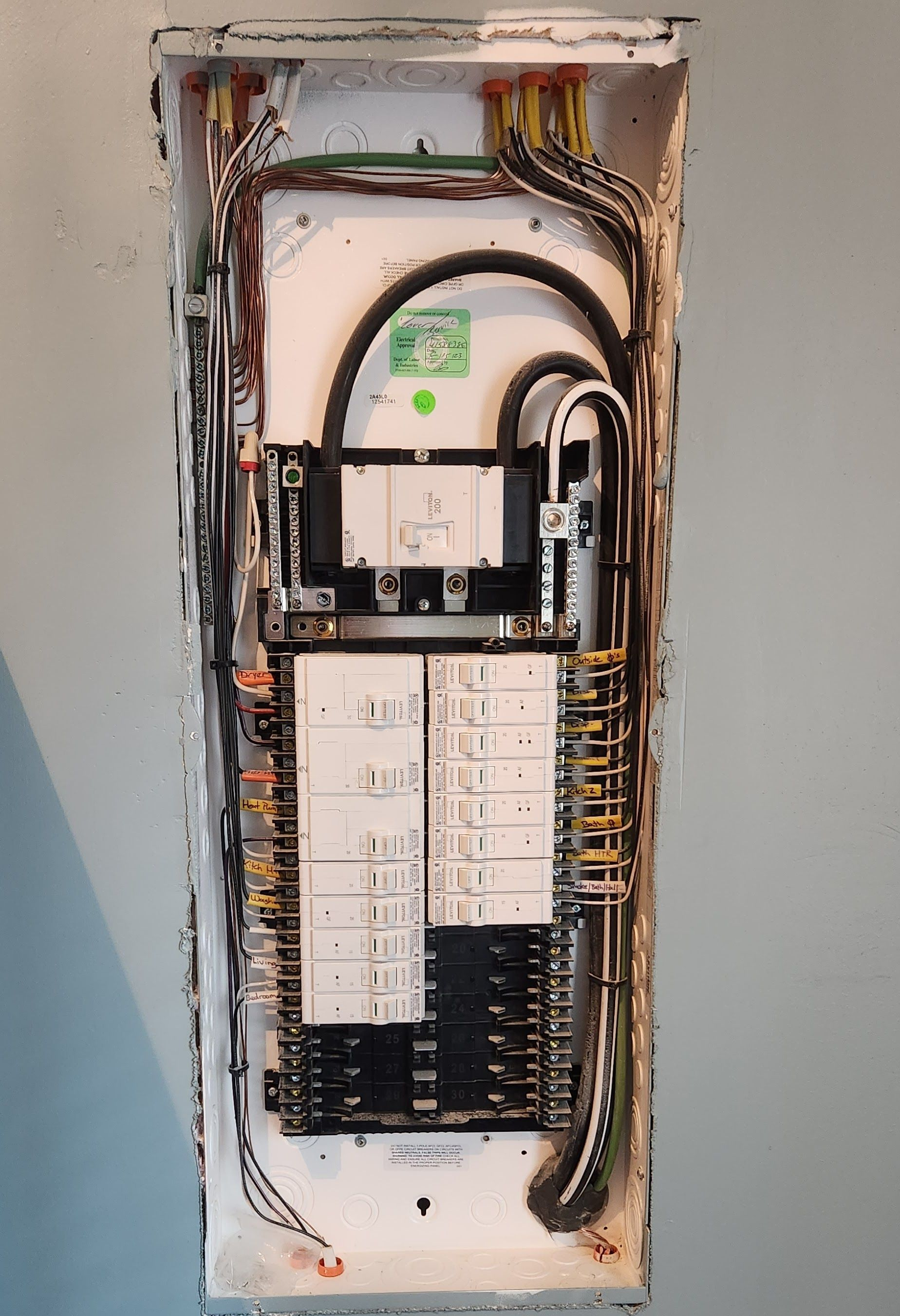
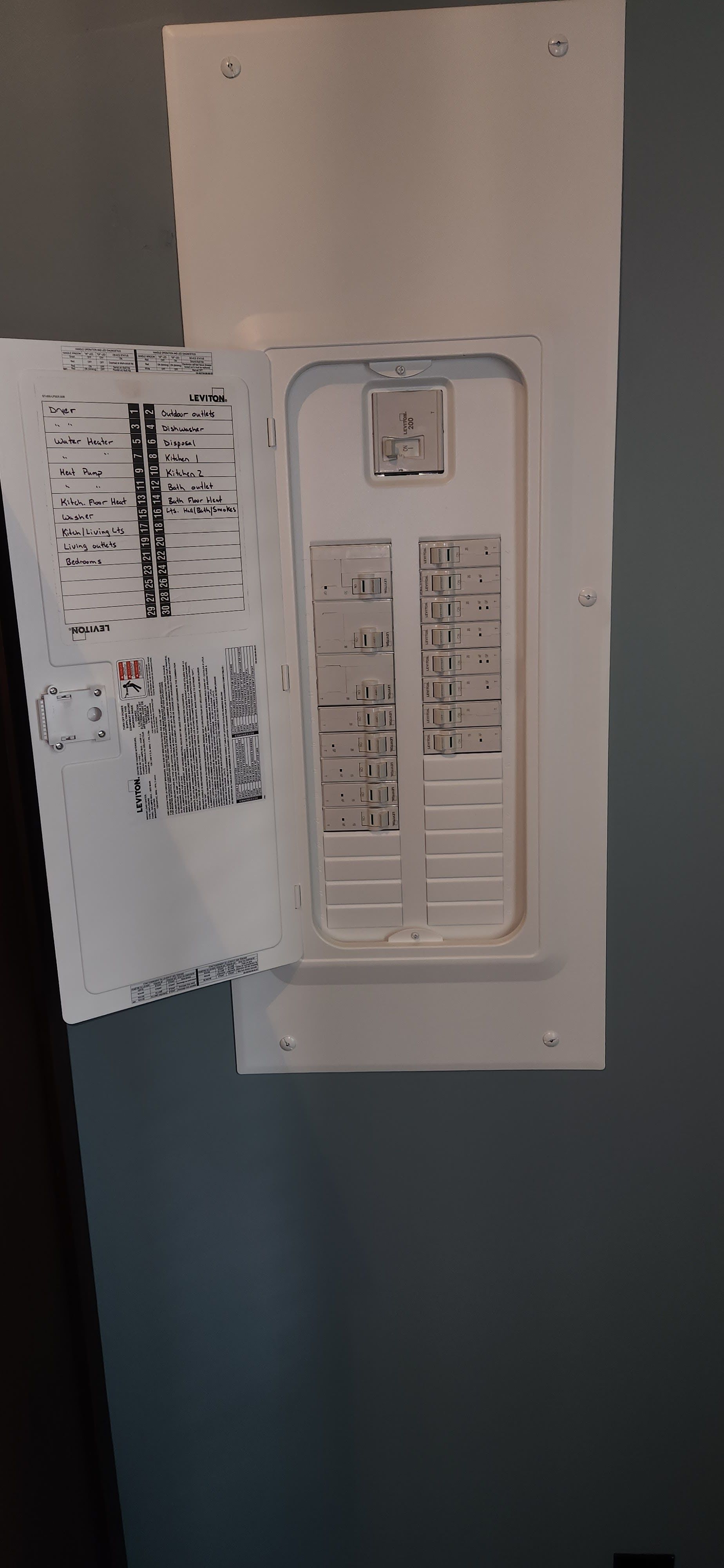
The average household now supports multiple computers, chargers, home theaters, smart devices, HVAC systems, and high-wattage kitchen appliances. Older panels with 60- or 100-amp capacities aren’t sufficient for today’s needs. An upgrade to a 200-amp panel ensures circuits operate safely and reduces the risk of overloads.
Planning Upgrades During Home Renovations
Renovation projects offer the ideal time to assess wiring, outlets, and circuits—especially in kitchens, bathrooms, and living rooms. If walls are already open, the cost and complexity of rewiring are significantly reduced. A real-world scenario: homeowners remodeling an older kitchen may discover ungrounded outlets or aluminum wiring, which require immediate modernization for both safety and compliance.
Essential Electrical Upgrades for Safety and Efficiency
Upgrading the Electrical Panel
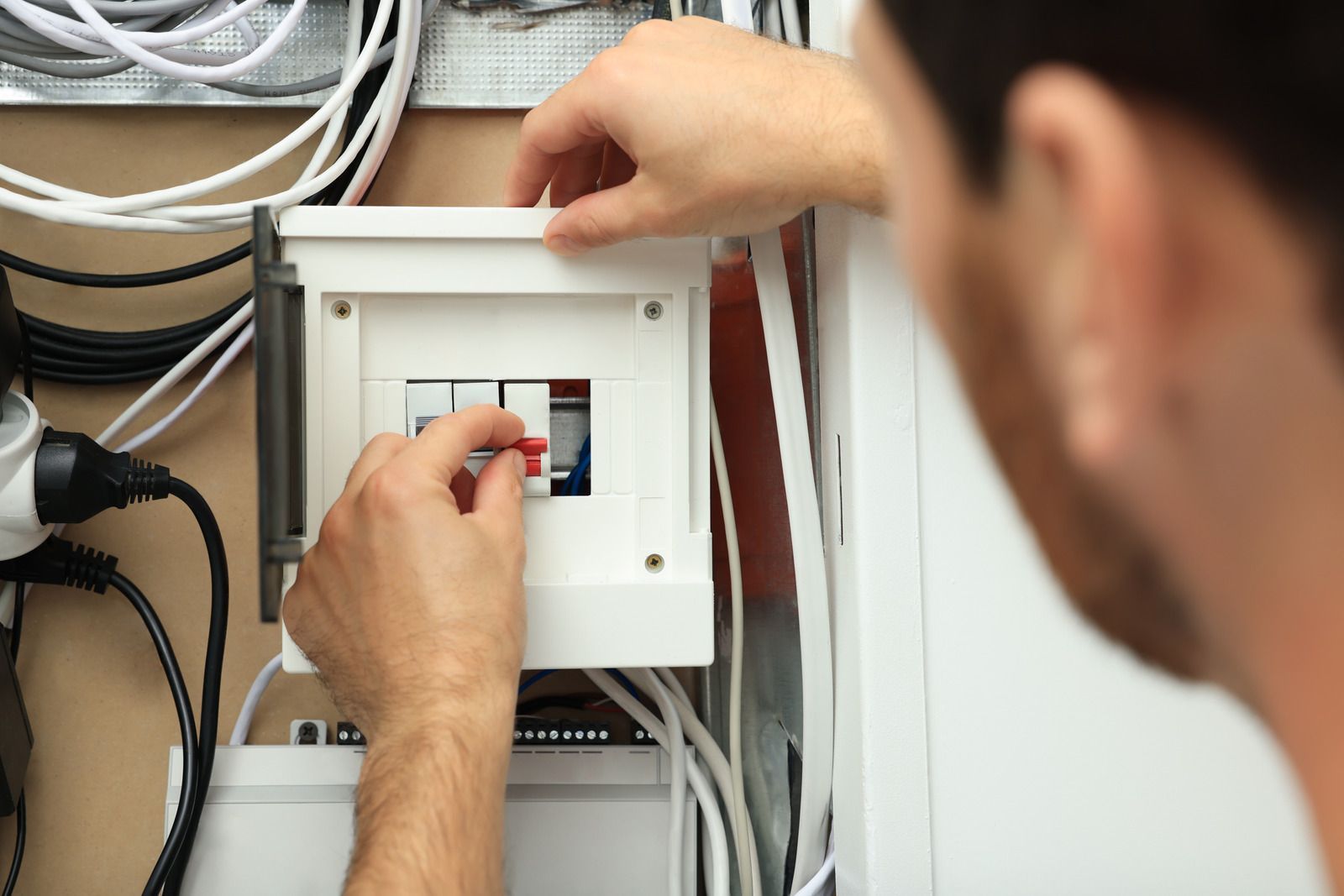
A modern electrical panel protects circuits from overloads and ensures stable power distribution. Upgrading allows your home to accommodate high-demand appliances such as induction cooktops, tankless water heaters, and electric vehicle chargers. Experts recommend panel upgrades every 25–40 years depending on condition and capacity.
Replacing Outdated Wiring
Knob-and-tube and aluminum wiring are still found in many older homes and present significant risks. These systems often degrade over time, lack proper grounding, and may no longer meet current electrical codes. Replacing outdated wiring enhances fire safety, protects appliances, and improves insurance eligibility.
Installing Ground Fault and Arc Fault Protection
GFCI and AFCI protection prevent electrical shock and reduce fire hazards. Modern codes require GFCI outlets in bathrooms, kitchens, garages, and outdoor areas. AFCI breakers, on the other hand, identify dangerous electrical arcs within walls—something older systems cannot detect.
Adding Dedicated Circuits
High-wattage appliances such as microwaves, refrigerators, sump pumps, and HVAC systems require dedicated circuits to operate safely. Overloaded circuits can lead to breaker trips or overheating. When adding new appliances, including hobby equipment in a garage or workshop, a dedicated circuit ensures stable performance.
Smart and Energy-Efficient Electrical Upgrades
LED Lighting and Smart Controls
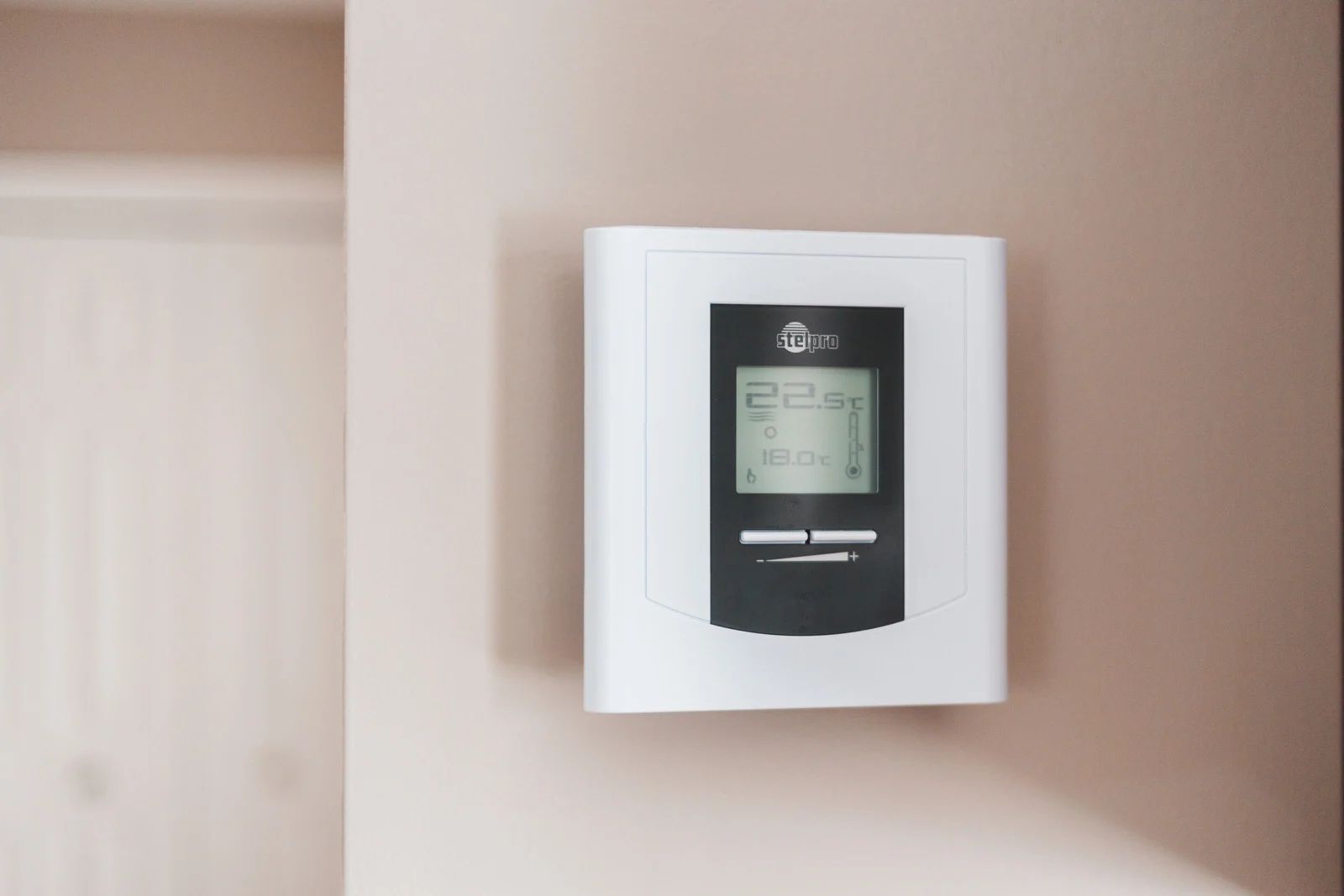
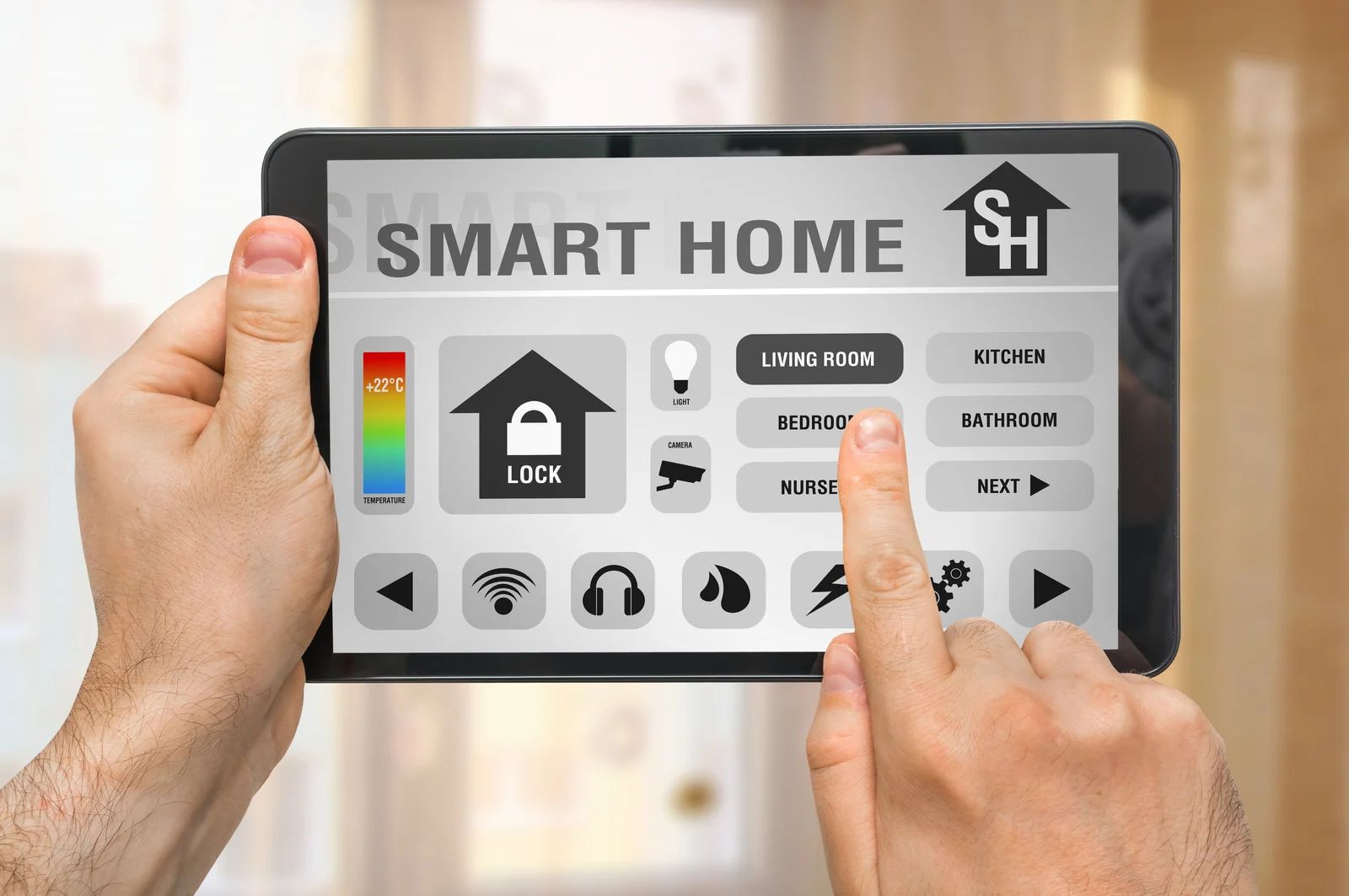
Switching to LED lighting reduces energy consumption and lowers heat output. Smart lighting controls, such as dimmers, occupancy sensors, and automated schedules, offer greater efficiency and convenience. These upgrades work particularly well in large homes, garages, outdoor spaces, and high-traffic areas.
Whole-Home Surge Protection
Power spikes can damage televisions, computers, appliances, and HVAC systems. Whole-home surge protectors, installed at the electrical panel, provide a robust defense against sudden voltage surges caused by storms, utility fluctuations, or internal circuit activity.
Installing Smart Electrical Panels
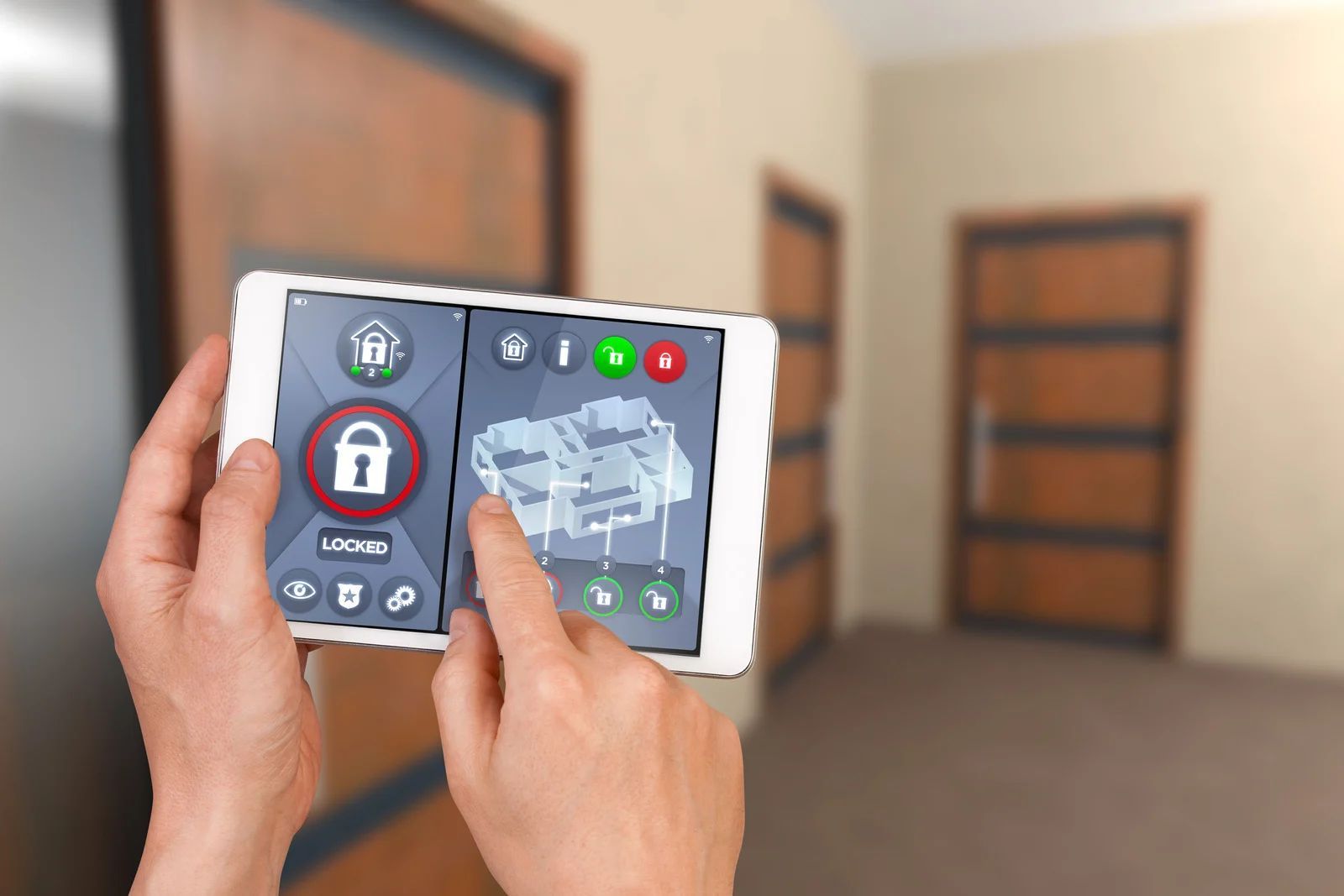
Modern smart panels allow homeowners to monitor energy usage, track circuit performance, and receive alerts about potential issues. These systems integrate with smart home platforms, helping families optimize energy use and plan upgrades based on real-time data.
Electric Vehicle Charger Installation
EV ownership continues to rise, and homes must be equipped with Level 2 chargers for efficient overnight charging. EV charger installation requires a dedicated 240-volt circuit, proper load calculation, and code-compliant wiring. This upgrade enhances home value and supports future transportation trends.
Common Mistakes Homeowners Make During Electrical Upgrades
Attempting DIY Electrical Work
While minor tasks like replacing a lightbulb are safe for homeowners, upgrades involving wiring, outlets, panels, or breakers require professional expertise. DIY electrical work can result in code violations, system failures, and severe safety hazards. A miswired circuit might function temporarily but still pose fire risks that remain hidden behind walls.
Ignoring Code Compliance
Electrical codes evolve to address new safety standards and emerging technologies. Whether adding outlets, upgrading panels, or installing new fixtures, all work must align with national and local regulations. Failing to meet code standards can complicate home sales, void insurance claims, and force costly rework.
Using Low-Quality Materials
Some homeowners opt for cheap breakers, cords, or outlets to reduce project costs. However, quality electrical components are essential for reliability and safety. For example, low-quality outlets may degrade faster, fail to maintain proper grounding, or overheat under normal usage.
Overlooking Load Calculations
Before adding new appliances or circuits, load calculations must be performed to determine whether the existing panel can handle the increased demand. Neglecting this step may overload circuits, reduce appliance lifespan, and create fire risks. Professional electricians use standardized calculations to size circuits accurately.
Best Practices for Planning Safe Electrical Upgrades
Start with a Comprehensive Electrical Inspection
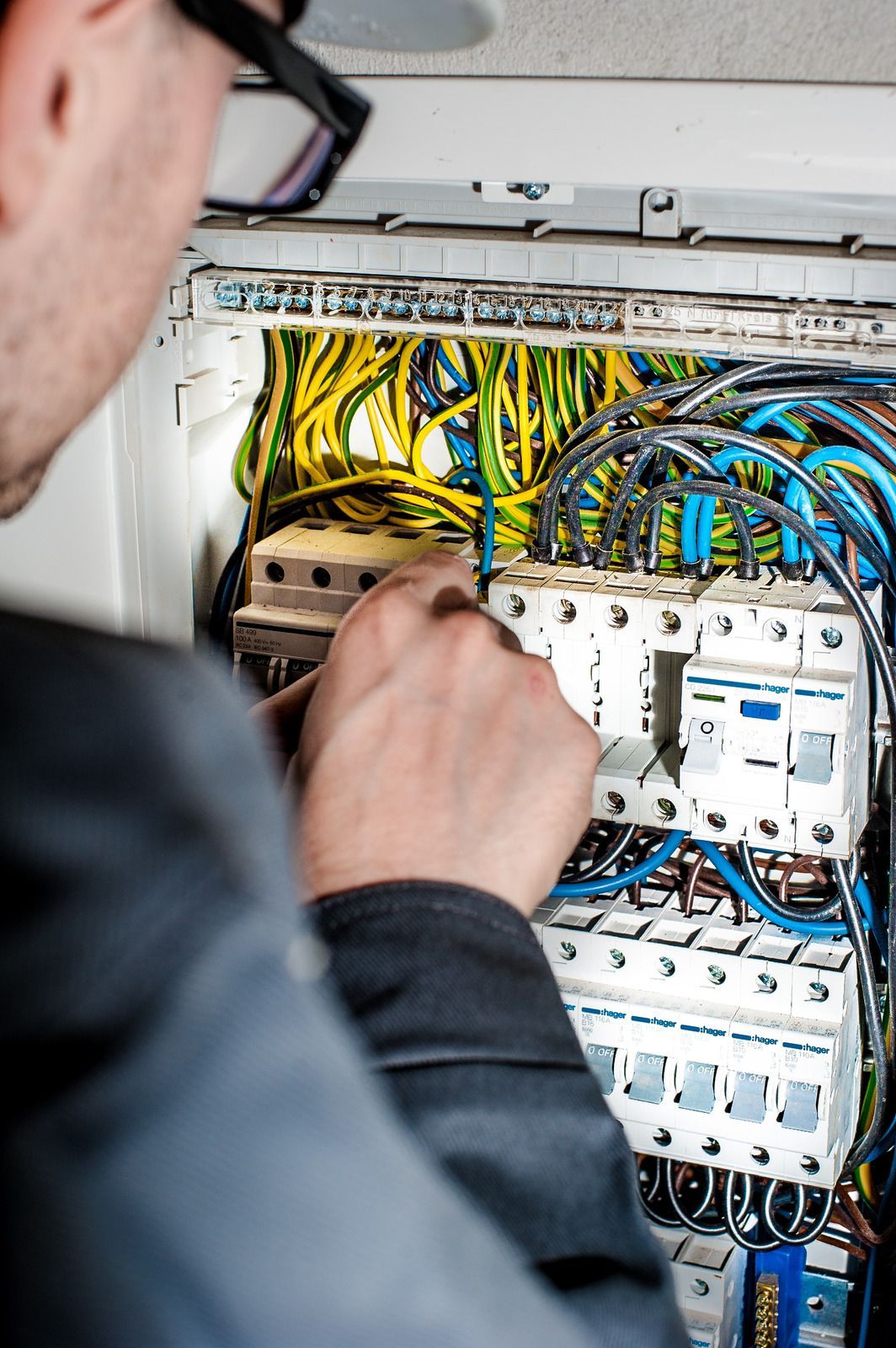
A professional inspection identifies weak points, outdated wiring, overloaded circuits, and potential code violations. This assessment serves as a roadmap for prioritizing upgrades. For older homes, inspections often reveal hidden issues such as deteriorated insulation, improper junction boxes, or DIY wiring from previous homeowners.
Create an Upgrade Strategy
Rather than piecing together upgrades over time, homeowners benefit from a clear electrical improvement plan. This includes prioritizing safety-related upgrades first, followed by efficiency improvements and long-term modernization. A well-structured plan ensures projects stay within budget and align with future needs.
Coordinate Upgrades with Other Home Improvements
Electrical work often aligns with HVAC upgrades, lighting redesigns, and major renovations. Coordinating these projects prevents unnecessary wall openings and reduces labor costs. For instance, upgrading wiring during a bathroom remodel ensures adequate support for high-wattage lighting and modern ventilation systems.
Maintain Documentation
Homeowners should keep records of all electrical upgrades, including permits, receipts, schematics, and warranty information. This documentation is valuable during home sales, insurance claims, and future renovation planning.
Ensuring Long-Term Electrical Safety
Routine Maintenance and Testing
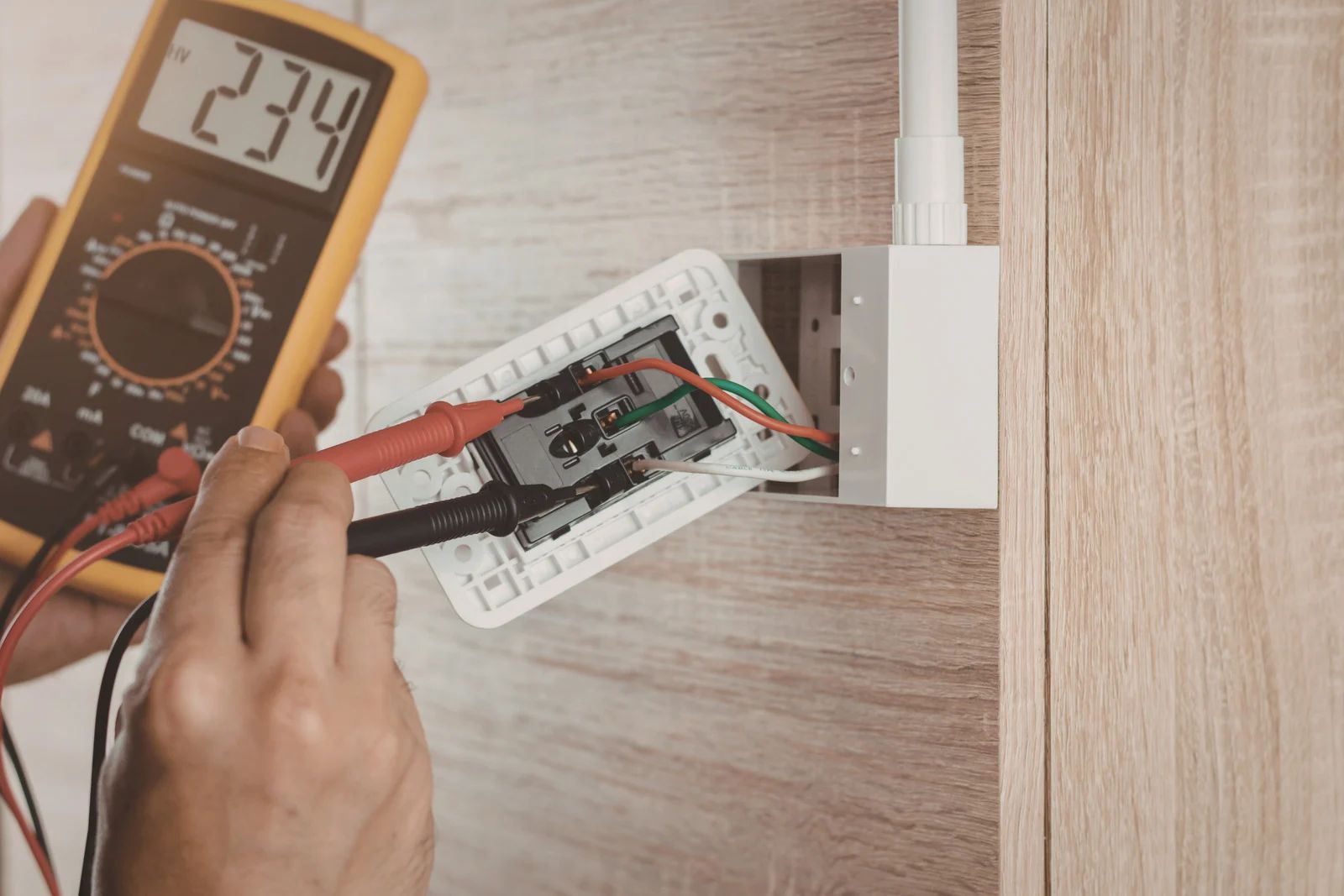
Even after upgrades are completed, electrical systems require regular maintenance. Annual or biannual inspections help identify wear, loose connections, or breaker issues before they escalate. Testing GFCI outlets, checking smoke detectors, and inspecting surge protectors ensure ongoing safety.
Monitoring Energy Patterns
Understanding how your home uses electricity helps identify abnormal patterns. For example, if a breaker continues to trip without an obvious cause, it may signal hidden wiring damage or appliance malfunction. Smart monitoring systems provide real-time insights into circuit activity.
Preparing for Future Expansion
Homes evolve over time—families grow, appliances multiply, and technology advances. Planning for future electrical needs ensures your system remains adaptable. This may involve installing conduit for future wiring, adding space in the electrical panel, or pre-wiring certain rooms for smart integration.
Safe electrical upgrades are crucial for protecting your home and supporting the growing technological needs of modern living. By understanding when upgrades are necessary, choosing the right improvements, and following current electrical codes, homeowners can create a safer, more efficient, and more reliable environment. Whether you’re renovating, expanding your home, or simply updating outdated components, taking a strategic and safety-focused approach ensures long-term performance and peace of mind. Prioritizing high-quality materials, working with qualified professionals, and maintaining regular inspections are essential steps for preserving both safety and value.
Bringing Every Electrical Upgrade Together Safely
When it comes to electrical upgrades, working with a knowledgeable and experienced professional makes all the difference. Nexus Integration Electrical Contractor in Newport, WA brings 37 years of industry expertise to every project, ensuring homeowners receive safe, code-compliant, and high-quality electrical solutions. With a deep understanding of modern electrical demands, system design, and long-term performance, the company is equipped to handle everything from panel upgrades to whole-home rewiring with precision and care. Their decades of hands-on experience allow them to diagnose issues quickly, recommend the right upgrades, and execute each task with exceptional craftsmanship.
Homeowners seeking reliable electrical improvements appreciate Nexus Integration’s commitment to safety, transparency, and customer-focused service. The team prioritizes clear communication, detailed inspections, and thorough planning to ensure every upgrade aligns with the homeowner’s goals and meets current safety standards. Whether you’re preparing for a renovation, modernizing an older home, or installing new technology, this trusted electrical contractor offers the skill and reliability needed to complete the job correctly the first time. With Nexus Integration, you gain a partner dedicated to protecting your investment and enhancing your home’s electrical system for years to come.