What to Expect During a Professional Electrical Inspection
April 15, 2026
A professional electrical inspection is a critical process that ensures the safety, efficiency, and compliance of electrical systems in residential, commercial, and industrial properties. As modern buildings rely heavily on electricity to power essential systems, appliances, and equipment, even minor electrical faults can lead to serious risks such as fires, outages, or costly damage. Understanding what happens during an inspection helps property owners prepare better and maintain safer environments.
Electrical inspections are not limited to identifying visible issues; they involve a detailed evaluation of wiring, circuits, panels, grounding systems, and overall load capacity. Licensed professionals follow strict codes and standards to verify that installations meet regulatory requirements and operate safely under current usage demands. This process also helps detect hidden problems that may not be immediately noticeable but can escalate over time if left unaddressed.
By knowing what to expect during a professional electrical inspection, property owners can make informed decisions, reduce risks, and ensure long-term system reliability. Whether it is a routine check or a pre-sale requirement, inspections play a vital role in maintaining electrical safety and operational efficiency in any structure.
1. Initial Assessment and System Overview
Visual Inspection of Electrical Infrastructure
A professional inspection begins with a comprehensive visual review of the entire electrical system including panels, wiring routes, outlets, switches, and external connections to identify visible issues such as wear, overheating, corrosion, or improper installation while ensuring any exposed wires or outdated components are carefully flagged for further evaluation to maintain full safety compliance and system reliability throughout the property environment systems.
Reviewing System Capacity and Load Demand
Inspectors also assess whether the electrical system is handling current load demands efficiently, as overloaded circuits, frequent breaker trips, or dimming lights often indicate capacity issues while understanding load distribution helps determine if upgrades are necessary to support modern appliances, technology, and increased electrical consumption needs safely within the property without risking instability or performance degradation over time and system safety integrity.
Identifying Immediate Safety Risks
During this stage, any immediate hazards such as burnt wiring, loose connections, or faulty grounding are documented and prioritized for urgent correction to prevent accidents or electrical failures that could endanger property occupants and damage essential electrical infrastructure systems while ensuring rapid identification of risks that may compromise long term operational safety and system performance reliability overall across all inspection phases thoroughly.
2. Electrical Panel and Circuit Evaluation
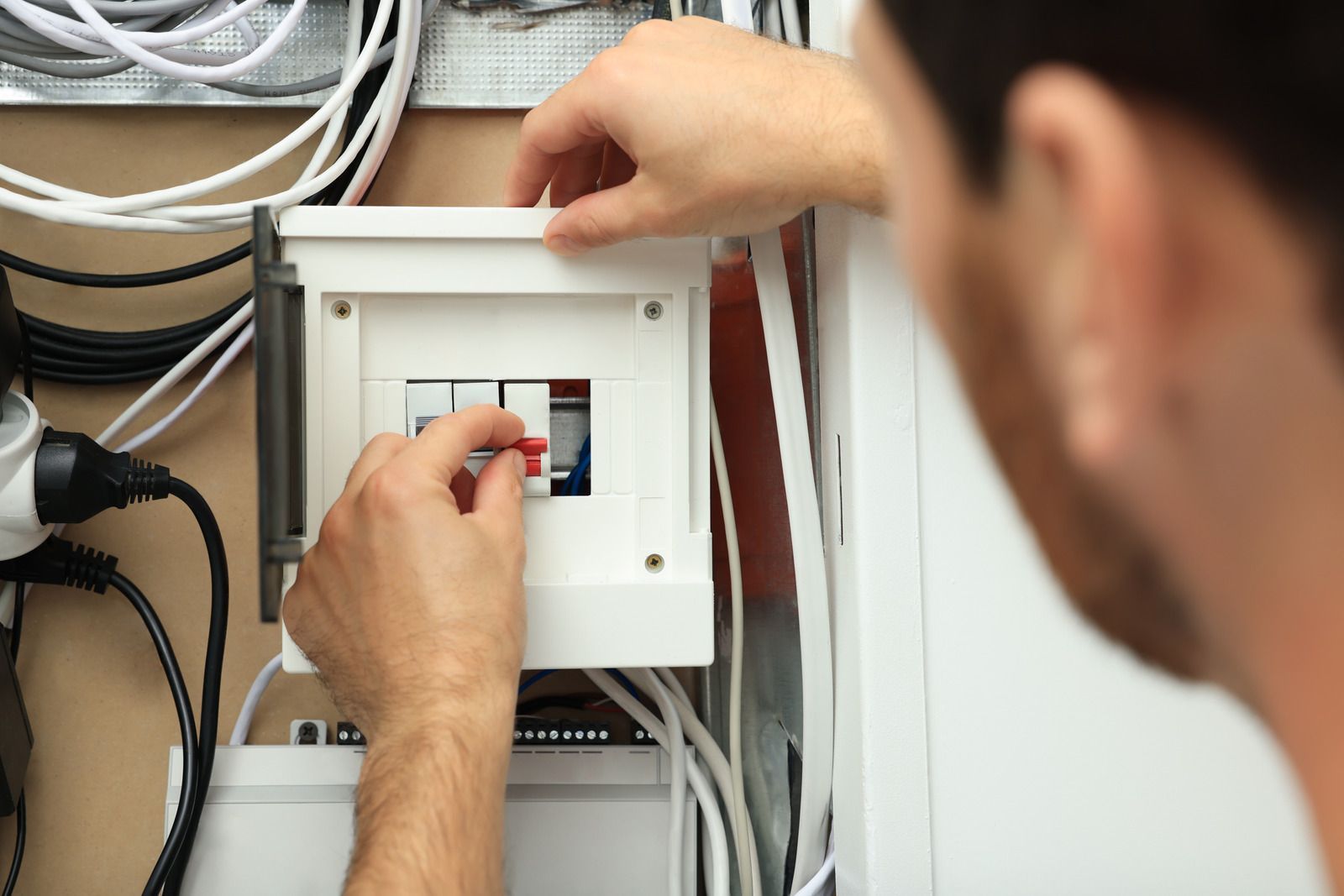
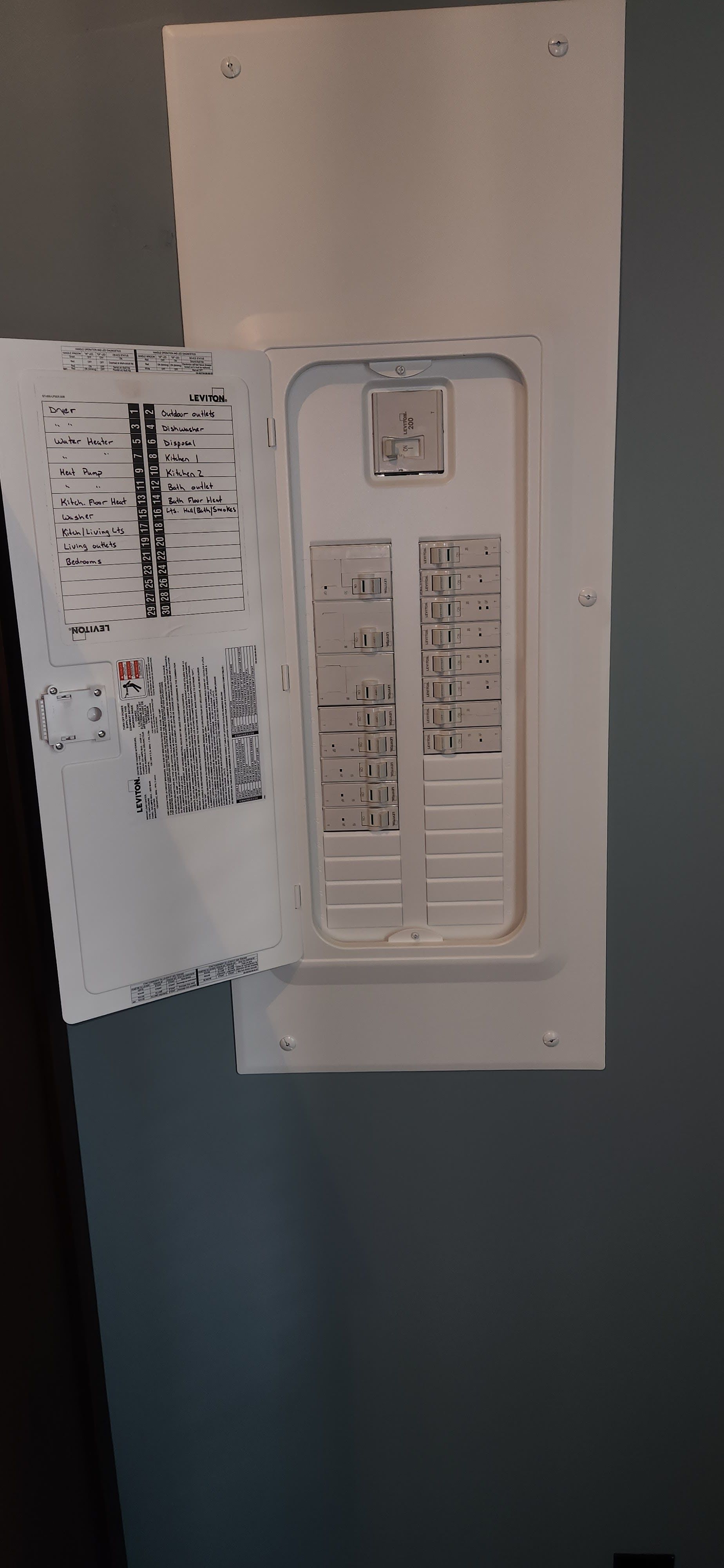
Breaker Panel Condition Check
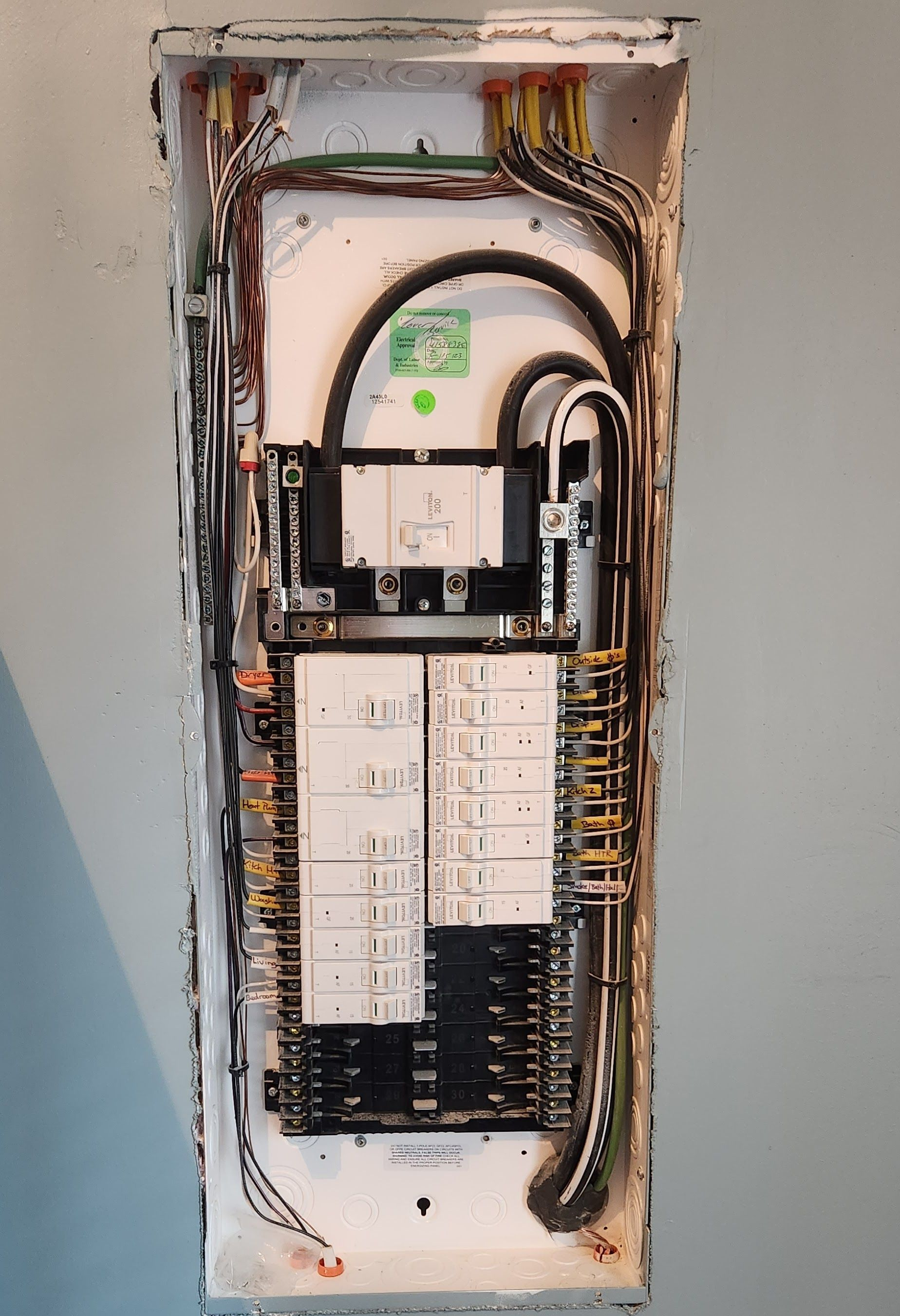
The electrical panel is the central hub of any system where inspectors evaluate breaker integrity, labeling accuracy, and signs of overheating or rust to ensure proper functioning while supporting safe and balanced electricity distribution throughout the property and maintaining consistent power flow across all circuits without risk of overload or unexpected electrical interruptions during daily usage demands ensuring long term reliability performance.
Circuit Testing and Distribution Analysis
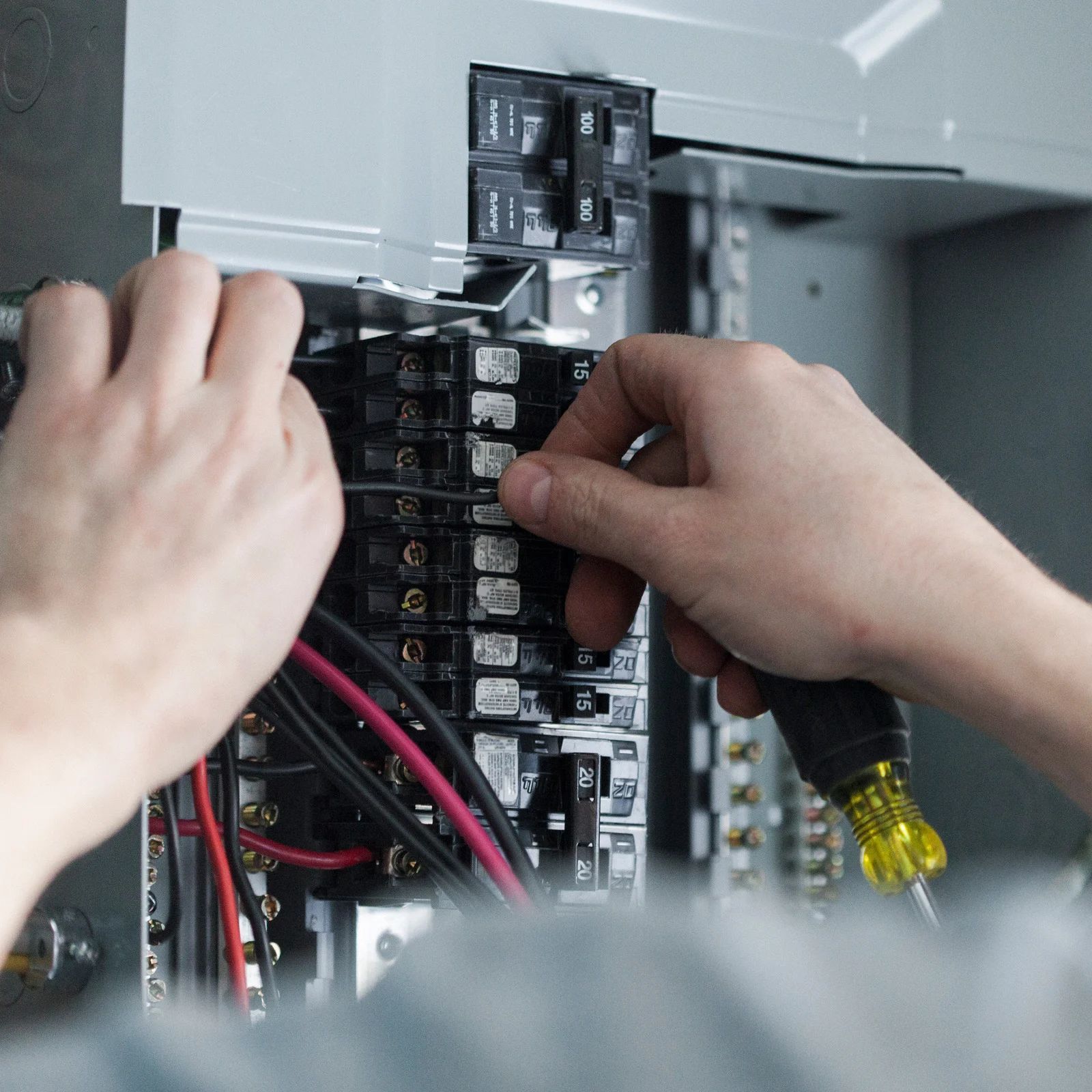
Each circuit is tested to verify proper operation and load balance since uneven distribution can cause frequent tripping or long term system stress while inspectors ensure circuits are correctly assigned and capable of handling connected devices without overloading or causing unnecessary interruptions in power supply across residential and commercial electrical systems during peak usage conditions and operational demand periods safely and efficiently.
Detection of Outdated Components
Older panels or outdated fuse systems are identified during inspection as these systems may not meet current safety standards and can pose significant risks while recommendations for modernization are typically provided when necessary to improve efficiency reliability and overall electrical safety compliance across residential and commercial environments ensuring systems remain aligned with evolving industry regulations and operational expectations consistently over long term.
3. Wiring Integrity and Grounding Inspection
Wiring Condition Assessment
Electrical wiring is carefully examined for insulation damage aging or improper installation as faulty wiring is one of the leading causes of electrical fires making this step essential for safety assurance and long term system reliability in residential and commercial properties ensuring early detection of issues that could escalate into hazardous electrical failures if left unaddressed preventing costly damage and safety risks.
Checking Grounding Systems
Proper grounding ensures excess electricity is safely redirected preventing shocks and equipment damage while inspectors verify grounding rods connections and continuity to confirm system reliability stability and compliance with essential electrical safety standards across the entire property system ensuring consistent protection against electrical faults and enhancing overall operational safety performance in both residential and commercial environments effectively and long term resilience strength.
Identifying Hidden Wiring Issues
Some wiring problems exist behind walls or ceilings where specialized tools are used to detect hidden faults ensuring no underlying risks remain unnoticed while early detection helps prevent expensive repairs in the future and supports safer long term electrical system performance across residential and commercial buildings with improved reliability and reduced operational hazards over extended usage periods ensuring lasting electrical safety assurance.
4. Outlets, Switches, and Fixture Testing
Functionality Testing of Outlets and Switches
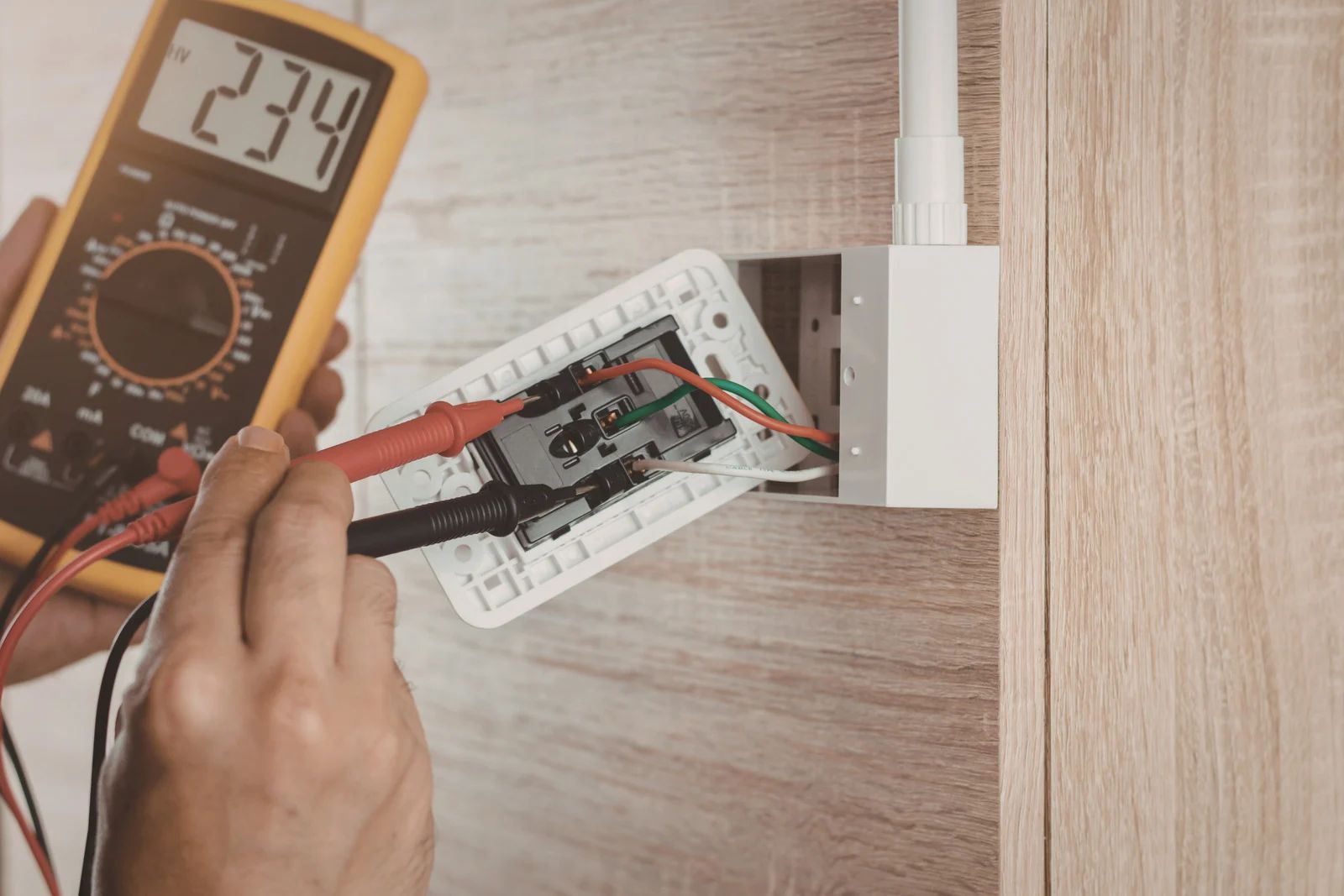
All outlets and switches are tested to ensure proper operation where loose fittings inconsistent power delivery or non functional outlets are recorded for repair or replacement maintaining consistent electrical performance and ensuring user safety throughout the entire property environment while supporting reliable everyday electrical usage across residential and commercial settings with minimal disruptions or operational failures occurring for improved system dependability overall.
Safety Compliance for Fixtures
Lighting fixtures and ceiling fans are inspected for secure installation and correct wiring as improperly installed fixtures can pose shock hazards or structural risks if not addressed promptly especially in high usage areas requiring consistent electrical safety and reliability standards across all residential and commercial environments ensuring stable performance and reduced maintenance issues over time supporting safe and efficient electrical operation systems.
GFCI and AFCI Protection Checks
Ground Fault Circuit Interrupters and Arc Fault Circuit Interrupters are tested for proper response as these safety devices are essential for preventing electrical shocks and fire hazards in high risk areas such as kitchens bathrooms and outdoor installations ensuring compliance with modern electrical safety standards and reducing potential risks associated with fault currents or arc related failures across all inspected systems thoroughly.
5. Code Compliance and Energy Efficiency Review
Compliance with Electrical Standards
Inspectors ensure that all electrical systems meet local and national safety codes as non compliance may result in safety risks or legal issues especially during property transactions or renovations requiring strict adherence to updated electrical safety regulations and inspection standards across residential and commercial properties ensuring reliable operation and reduced regulatory complications throughout the system lifecycle while maintaining full compliance assurance standards.
Energy Efficiency Assessment
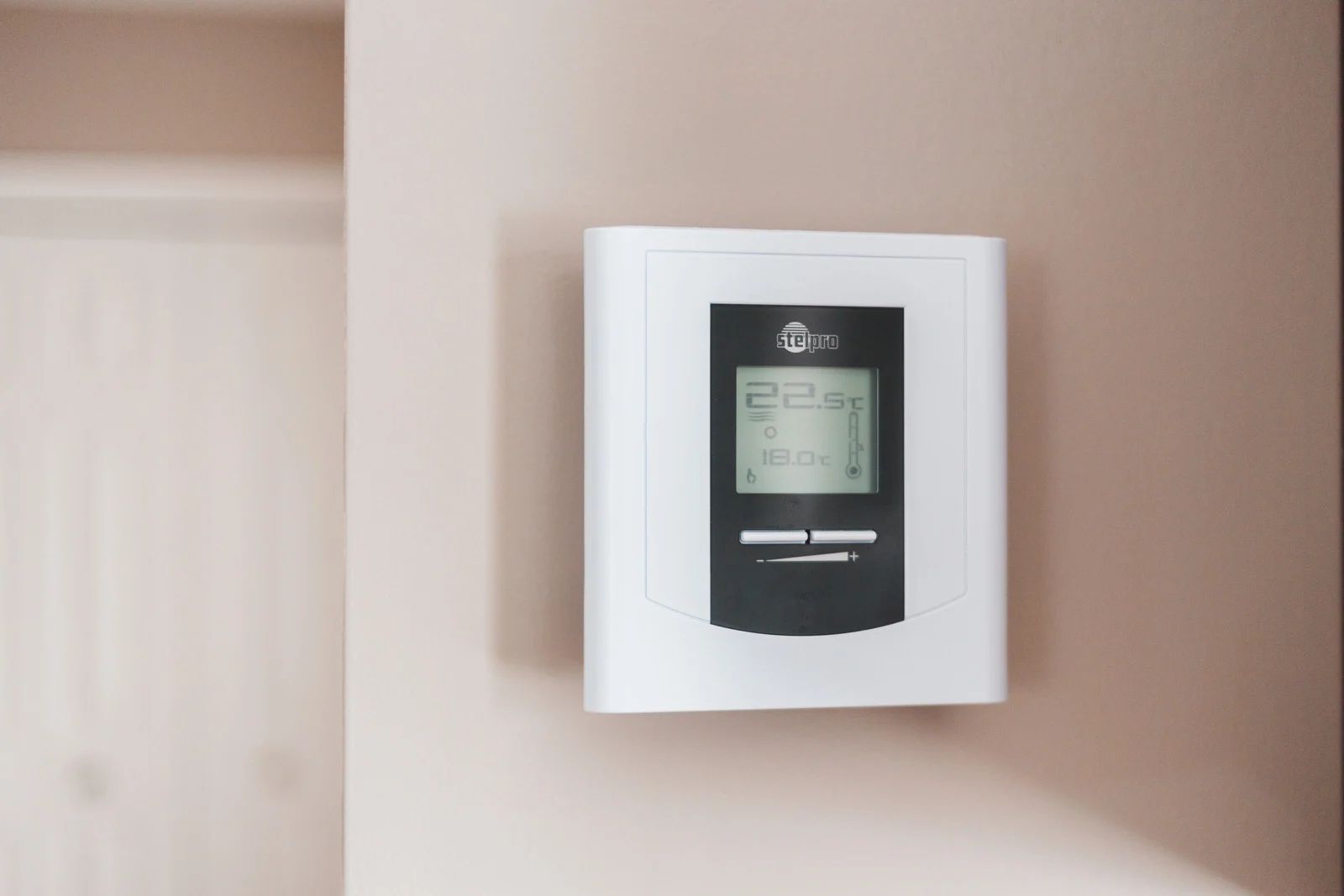
Energy usage patterns are evaluated to identify inefficiencies where faulty wiring outdated appliances or poor system design can lead to excessive energy consumption and higher utility bills making efficiency improvements essential for long term cost savings and environmental sustainability goals across residential and commercial properties while ensuring optimized electrical performance and reduced operational waste throughout the system and improved energy reliability overall.
Recommendations for Upgrades
Based on findings professional recommendations may include panel upgrades rewiring or installation of energy efficient components as these improvements enhance safety reduce long term operational costs and ensure the electrical system remains capable of handling modern power demands effectively while improving resilience reliability and compliance with evolving standards across residential and commercial electrical infrastructure systems supporting long term operational excellence outcomes consistently.
6. Final Reporting and Maintenance Guidance
Detailed Inspection Report
After evaluation a comprehensive report is provided outlining all findings risks and recommended actions as this document serves as a roadmap for necessary repairs or upgrades helping property owners understand system conditions clearly and make informed maintenance decisions while improving transparency accountability and long term electrical system reliability across all inspected areas within the property structure ensuring accurate and actionable insights delivered.
Prioritizing Repairs and Improvements
Not all issues require immediate action as inspectors categorize problems based on urgency helping property owners plan maintenance efficiently and cost effectively while ensuring critical electrical hazards are addressed without delay for maximum safety assurance and system reliability across residential and commercial environments enabling structured decision making and improved long term electrical performance outcomes throughout the property and maintenance planning efficiency improved.
Preventive Maintenance Advice
Guidance is offered on maintaining electrical systems between inspections as regular maintenance helps extend system lifespan and reduces likelihood of unexpected failures ensuring long term performance stability improved safety and consistent operational efficiency across all electrical components within residential and commercial properties while promoting proactive care and minimizing risk of system downtime or hazardous malfunctions effectively ensuring sustained electrical system performance reliability.
Trusted Electrical Safety Partner Delivering Reliable Inspections
A professional electrical inspection is essential for maintaining safety, efficiency, and compliance within any property. It helps identify hidden hazards, ensures systems are operating within safe limits, and provides clear guidance for necessary improvements. From panel evaluation to wiring checks and final reporting, each step contributes to a safer and more reliable electrical infrastructure.
Regular inspections reduce the risk of electrical failures, improve energy efficiency, and support long-term system performance. Property owners benefit from early detection of issues and structured maintenance planning, which helps avoid costly repairs and downtime.
Nexus Integration Electrical Contractor brings extensive experience in delivering reliable electrical inspection services backed by 37
years of industry expertise. Based in Newport, WA, our approach focuses on precision, safety, and compliance with modern electrical standards. We handle residential, commercial, and industrial systems with a commitment to quality workmanship and professional integrity. Every inspection is conducted with attention to detail, ensuring potential risks are identified early and resolved effectively. Our goal is to provide dependable electrical solutions that enhance safety, improve performance, and support long-term system reliability for every client served.